Auto Insurance
How to Protect Your Car Against Theft with Insurance
Explore smart ways to protect your vehicle using car theft insurance. Get step-by-step advice, policy tips, security habits, and claim scenarios to guard your investment today.
Advertisement
Creating Resilience With Smart Insurance Choices and Everyday Awareness
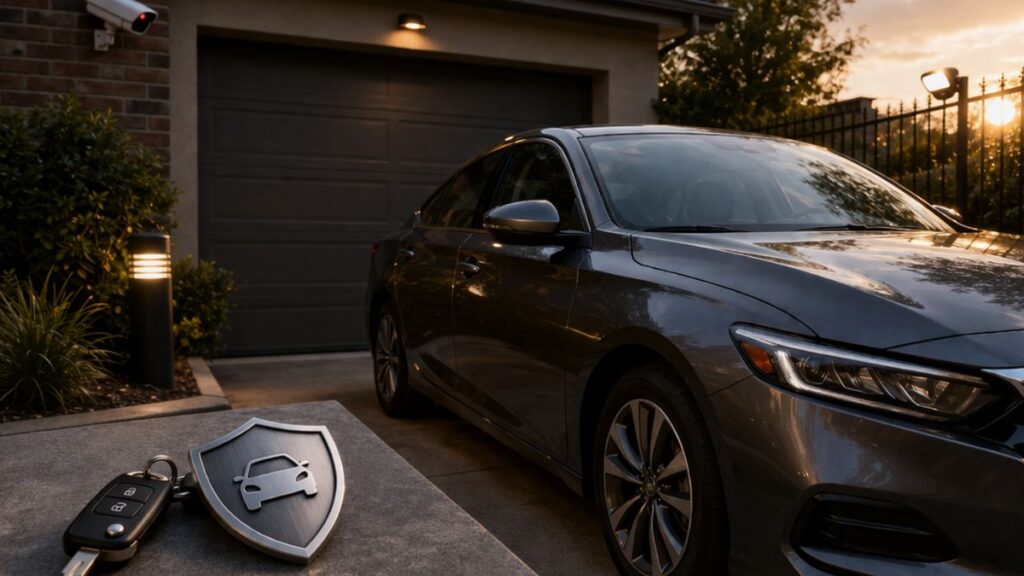
Car insurance plays a crucial role in helping vehicle owners deal with unexpected events, including theft. Understanding how your policy works can save you from severe financial setbacks. If your car is ever stolen, the right coverage ensures you receive compensation for your loss.
Many car owners overlook essential details in their insurance policy, which may impact their claims during theft situations.
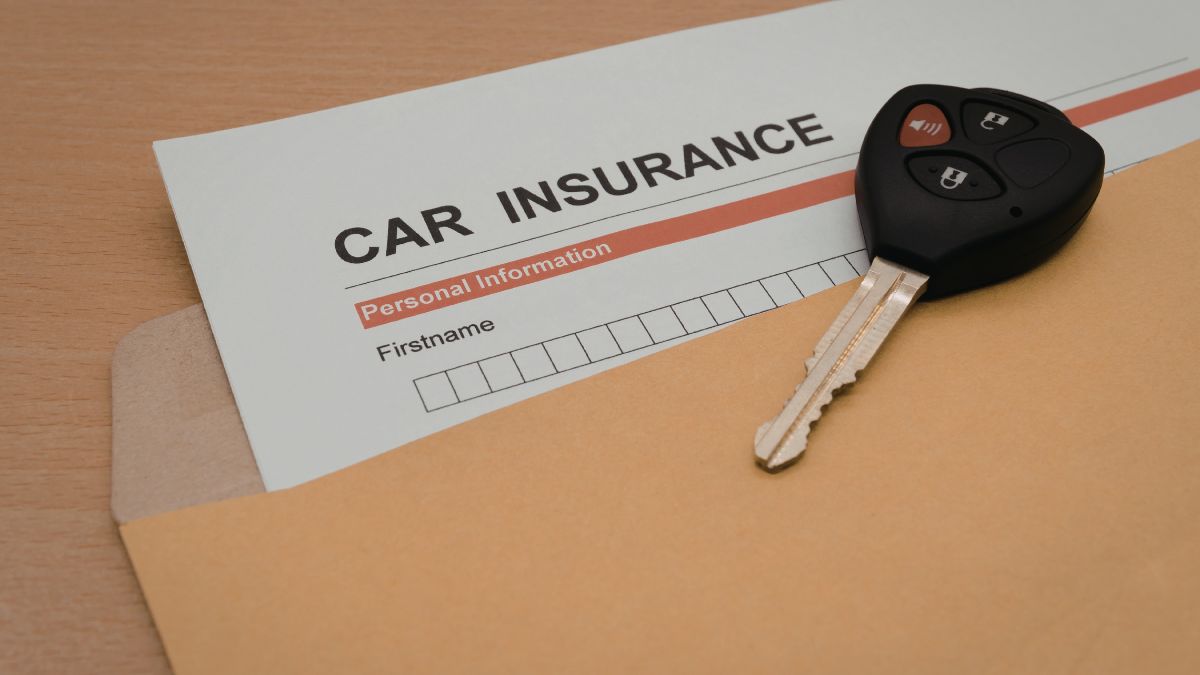
Reviewing your protection can help in making well-informed decisions. Knowing what your policy includes provides peace of mind during uncertain times.
Before purchasing insurance, it’s important to explore all available options and select a policy that suits your needs. Comprehensive protection is often required if you want reimbursement in theft cases.
Let’s discuss how insurance helps protect your car against theft and what you should consider when shopping for the best plan.
What Qualifies as Car Theft Under Most Policies?
Insurance companies classify theft according to specific criteria outlined in your agreement. For instance, unauthorized vehicle removal is generally considered theft. Proper documentation is necessary to support your claim.
Comprehensive car insurance usually covers multiple forms of theft, including when your vehicle is forcibly stolen. Vandalism and attempted theft may also be included but often require additional evidence or a police report.
Partial theft, like stolen car parts, often falls under comprehensive coverage too. Reviewing the terms is important, since exclusions or limitations can impact whether you’re compensated. Always report incidents to law enforcement immediately.
Insurance providers typically require proof of the theft, such as an official police report. This document increases the chances your claim is evaluated favorably and quickly processed.
Not all theft scenarios are protected. If someone with your permission takes the car and fails to return it, this could be classified differently, subject to your policy’s fine print and exclusions.
How Does the Insurance Claim Process Work After Theft?
After discovering your car is stolen, the first step is to notify local authorities immediately. You need a formal police report before starting the claims process with your insurance provider.
Contact your insurer directly after notifying law enforcement. They’ll guide you through the necessary documentation and next steps, ensuring your claim is handled efficiently and swiftly.
Your claim typically requires submitting details such as the police report number, car registration information, and circumstances leading to the theft. Providing all relevant information accelerates processing.
An insurance adjuster might be assigned to your case. They will contact you to ask further questions and assess the likelihood of recovering your stolen vehicle.
If your car isn’t recovered within a set period—usually around 30 days—the insurer will move forward with reimbursement, determining the value according to your policy’s terms and current market conditions.
What Types of Car Insurance Cover Theft?
There are several car insurance coverage types, but not all protect against theft. Comprehensive coverage is the primary safeguard if your vehicle is stolen or vandalized.
Liability-only policies do not provide reimbursement for theft or non-collision events. It’s important to check your insurance documents to identify specifically what situations are covered.
Comprehensive insurance covers a wide range of incidents, including fire, weather damage, and theft. Adding optional features or riders can offer even more protection for your vehicle.
Some providers bundle features like roadside assistance or specified peril coverage, further safeguarding against unexpected risks. Customizing your policy with these extras may be worthwhile, depending on your needs.
Before selecting a plan, compare policy benefits and exclusions to ensure sufficient protection against theft, balancing premium costs with peace of mind and security.
Important Steps to Take If Your Car Is Stolen
Immediate action is vital if your vehicle goes missing. Start by filing a police report, providing all relevant information, including the car’s make, model, and last-known location.
Inform your auto insurance provider as soon as possible. Early notification helps jumpstart the claim process, making resolution faster. Keep records of every communication and document shared.
Gather and organize all documents: car registration, proof of ownership, and financial information. The more organized you are, the faster your claim can progress toward resolution.
Stay in regular contact with both the police and your insurer. Update them if you obtain new information about the vehicle’s whereabouts or receive other relevant updates.
Remain patient but proactive throughout the process. The investigation and claim resolution may take time, but your diligence ensures you’re positioned for the best possible outcome.
How Insurers Determine Compensation After Theft
Insurers assess the actual cash value of your car at the time of theft. Depreciation, mileage, and general condition significantly affect this valuation and the eventual reimbursement amount.
Insurance companies reference market guides and recent sales data of similar models. Your policy’s deductible is subtracted from the total compensation before you receive payment.
Some plans offer replacement value rather than actual cash value, but this typically applies only to new or nearly new vehicles and generally comes with a higher premium.
Exclusions or limitations in your policy may reduce your payout. Reading your contract carefully helps you understand what might be deducted or denied.
In situations where stolen property is later recovered, your insurance company may either reclaim the payout or transfer ownership of the returned car back to you, depending on the claim’s status.
Ways to Minimize Theft Risk and Lower Insurance Premiums
Proactive efforts can deter theft and sometimes even lower your comprehensive insurance premium. Installing anti-theft devices such as alarms or tracking systems is highly effective.
Parking in well-lit, secure areas and always locking your vehicle significantly reduces the likelihood of being targeted by thieves. Common-sense precautions are valuable in everyday scenarios.
Choosing a car with built-in security features may result in discounts from your insurer. Many companies offer credits for electronic immobilizers or VIN-etched windows, further lowering your rates.
Discuss anti-theft discounts with your insurance provider when shopping for policies. Documenting safety upgrades helps you qualify for potential premium reductions.
Regularly reviewing and updating your insurance ensures continued protection and reduces unnecessary coverage, helping achieve a balance between affordability and peace of mind.
Quick-Reference Table for Policy Features
| Coverage Type | What It Pays For | Who Should Buy | Key Takeaway |
|---|---|---|---|
| Comprehensive | Vehicle loss from theft | All vehicle owners | Essential for car theft protection |
| Rental Reimbursement | Temporary transport costs | Drivers relying on daily car use | Prevents major disruption post-theft |
| Replacement Cost | Full cost of similar new vehicle | New car owners | No depreciation loss after theft |
| ACV Settlement | Market value minus depreciation | Used vehicle owners | Reduces out-of-pocket gap |
| Key Replacement | Cost of new smart keys | Modern car owners | Avoids high locksmith fees |
Creating a Secure Parking Routine
- Use a steering wheel lock every night: Thieves avoid cars with visible barriers, reducing your risk.
- Park nose-in, near buildings: This limits access to your car’s vulnerable points and creates more natural surveillance.
- Stow documents securely: Keep registration and proof of insurance in your wallet, not your glove box, to stop identity theft.
- Set phone reminders to check locks: Avoid the ‘did I lock it?’ worry by making it a consistent habit.
- Install motion-activated lights at home: They increase visibility and discourage thieves approaching your property.
Integrating Technology That Satisfies Insurers
- Enroll in telematics programs: Share data showing safe driving and careful parking locations to boost your insurability.
- Photograph all additional security features: Store these with your agent’s email as claim support proof.
- Link your security system app: Give your insurer permissions to verify real-time alerts if a claim is filed.
- Use dashcams with theft-detection modes: Footage can clarify circumstances for insurance adjusters.
- Send annual system status reports: Keep your record current to avoid disputes over device malfunction or inactivity.
Ensuring Your Car’s Security
Understanding your car insurance policy is key to safeguarding your vehicle from theft and unexpected loss. Comprehensive coverage provides the essential protection needed during challenging times.
Taking preventive steps, such as installing theft deterrents and maintaining detailed records, upgrades your security and facilitates quick insurer response if theft occurs.
Regular communication with your insurance provider, coupled with reviewing policy options and coverage details, ensures your needs are always met and your security is up to date.
Careful planning lets you handle unfortunate events with confidence and minimize stress. Prioritizing both security habits and insurance coverage remains a smart, practical decision.
Disclaimer:
This content is provided for informational purposes only and does not represent any insurance provider or official service. We are not affiliated with insurers or financial institutions mentioned. Readers should verify all policy details directly with official providers before making decisions.